
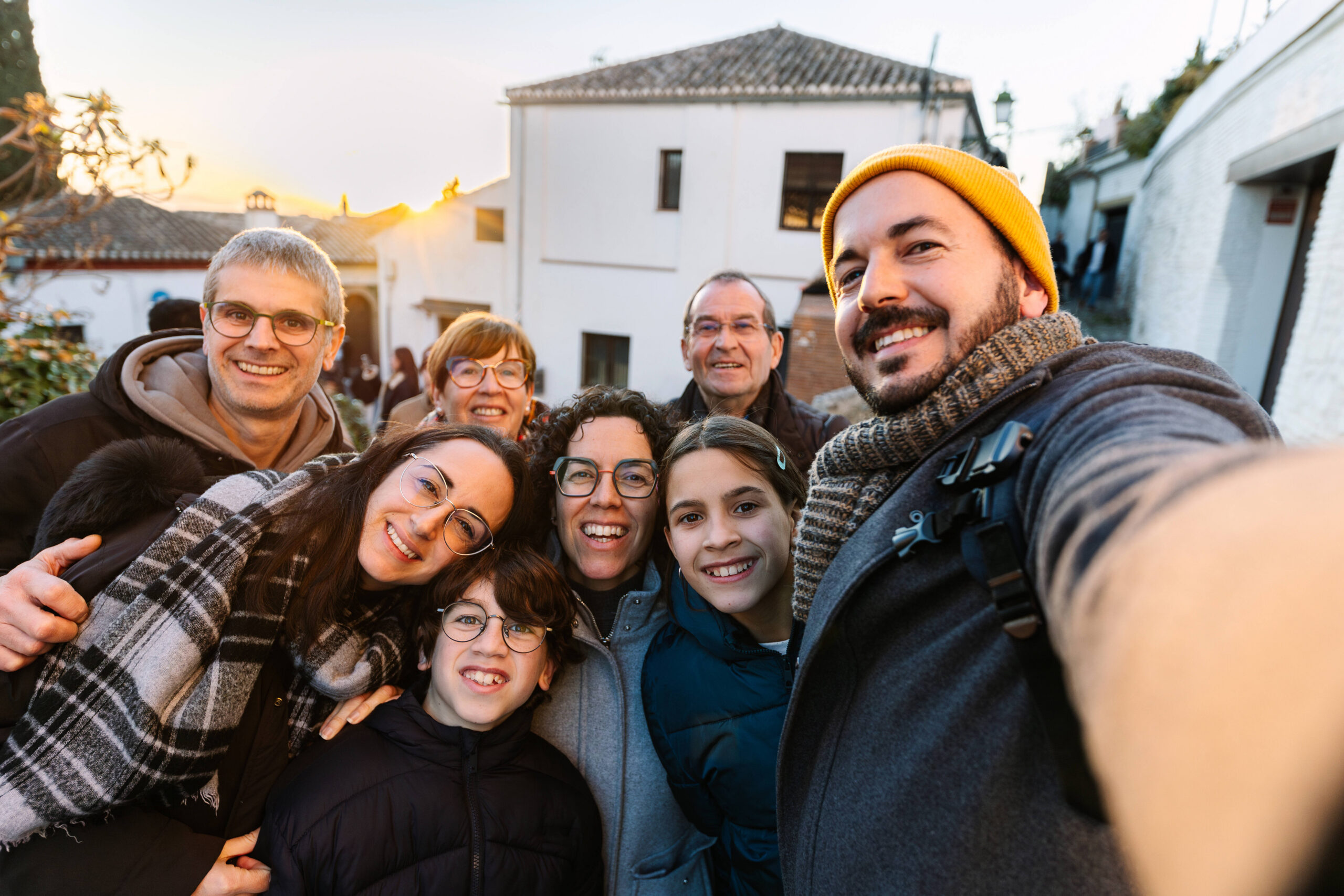
There is something genuinely special about travel with grandchildren that’s different from any other kind of trip. The pace is different, the priorities are different, and the rewards — a grandchild’s face lighting up at something unexpected, a shared experience that both generations will describe differently but remember equally vividly for the rest of their lives — are different from anything adult-only travel produces. But grandparent trips also come with real planning challenges that don’t exist when you’re traveling independently. Energy levels, physical needs, budget expectations, and entertainment preferences can vary enormously between a grandparent in their sixties or seventies and a grandchild who is eight years old, and the trips that go wonderfully well are almost always the ones where someone thought carefully about those differences before the departure date rather than hoping they’d resolve themselves on the road.
Start With an Honest Conversation Before Any Booking Happens
The most important step in planning a grandparent trip has nothing to do with destinations or budgets — it starts with a conversation between you and the grandchildren’s parents about expectations, logistics, and boundaries. What do the parents expect in terms of communication while you’re traveling? Are there any dietary restrictions, medical considerations, or behavioral patterns you should be aware of? What’s the discipline approach if a grandchild acts out, and do the parents want to be consulted remotely for certain decisions? What’s the plan if a child gets sick or a grandparent needs medical attention? These conversations feel administrative compared to the excitement of planning the trip itself, but they prevent the kinds of mid-trip complications that can turn a wonderful experience into a stressful one.
It’s also worth having an honest conversation with yourself about your own physical realities before committing to a specific type of trip. A walking tour of European cities or a hiking-focused national park trip may not be realistic if your knees don’t tolerate extended walking, and a long international flight with young grandchildren requires a level of physical and emotional stamina that varies considerably depending on your health and energy levels. The best grandparent trips are designed around what both generations can genuinely enjoy, not around what sounds impressive or what worked for someone else’s family. Being realistic about your capacity isn’t limitation — it’s the planning intelligence that makes the trip succeed.
Choosing the Right Destination for Your Specific Combination
Destination selection for a grandparent trip works best when it’s chosen specifically for the mix of ages and abilities involved rather than defaulted into familiar categories like “beach vacation” or “theme park.” The destinations that produce the most consistently successful grandparent trips tend to share a few characteristics: they offer genuine activities for both generations simultaneously, they don’t require extensive physical endurance from the grandparent, and they have the infrastructure to handle the unexpected with reasonable ease.
National parks represent one of the strongest categories for grandparent trips, particularly parks with a range of accessibility options. Grand Canyon, Yellowstone, Acadia, and Great Smoky Mountains all offer experiences that are genuinely spectacular for grandchildren while being manageable for grandparents who don’t want to tackle difficult terrain. The key is knowing which areas of a park are accessible by vehicle or short walks versus which require serious hiking, and building the itinerary around the former rather than assuming you can assess it on arrival. Ranger programs, visitor centers, and scenic drives provide rich experiences that don’t depend on physical stamina.
Cruises have become increasingly popular for multi-generational travel for good reason: the logistical heavy lifting is done for you, both generations can be in the same place without needing to make every activity work for both simultaneously, and the ship environment keeps grandchildren contained and supervised in a way that’s genuinely easier to manage than a land-based destination with multiple hotels and transportation legs. Many cruise lines have invested significantly in programming for different age groups, which means grandchildren can enjoy age-appropriate activities while grandparents rest or participate in their own way. The shared meals, evening performances, and port excursions provide natural togetherness without requiring every hour to be jointly programmed.
All-inclusive resort destinations in Mexico, the Caribbean, and Central America have also developed strong multi-generational appeal, particularly those with dedicated kids’ clubs and organized children’s activities that give grandparents genuine downtime while grandchildren are entertained and supervised. The all-inclusive model also simplifies the budgeting conversation considerably, since the major costs are handled before arrival and the ongoing expense decisions during the trip are minimal.
Budgeting Honestly and Setting Financial Expectations Early
Money is the most common source of awkwardness in grandparent trip planning, not because grandparents are unwilling to be generous but because expectations on different sides of the conversation are often different and unstated. Some families operate on the assumption that the grandparent is covering all costs as a gift; others expect a shared cost arrangement; others haven’t discussed it at all and are making assumptions that may not match. Having an explicit conversation about who is covering what before any bookings are made prevents the discomfort of mid-trip financial surprises and ensures everyone has realistic expectations.
For grandparents funding the trip, it helps to think about the budget in layers. The major fixed costs — flights, accommodation, park passes or entry fees — can be planned and committed to well in advance. The variable daily costs — meals, activities, souvenirs, incidentals — are harder to predict and easier to overspend on when grandchildren are involved, because saying no to a grandchild who wants the souvenir or the ice cream is emotionally harder on a trip than in everyday life. Setting a daily discretionary budget for extras and communicating it clearly to the grandchildren in age-appropriate terms actually works well with many kids: understanding they have a specific souvenir budget for the whole trip helps them make choices rather than accumulating requests.
Travel insurance is worth treating as a non-negotiable budget item rather than an optional add-on for grandparent trips. The combination of an older traveler’s higher medical risk and the complexity of traveling with minors means the scenarios that travel insurance covers — medical emergencies, trip cancellation, evacuation coverage — are genuinely more likely to be relevant than they would be on a trip between healthy adults. Purchasing travel insurance that includes medical evacuation coverage is particularly important for international grandparent trips, where the cost of an uninsured medical emergency could be significant.
Planning the Day-to-Day Experience Around Both Generations
The daily rhythm of a grandparent trip is where the rubber meets the road, and it’s where the most practical planning decisions determine whether everyone comes home happy or exhausted and frustrated. The single most important daily planning principle is building in more rest than you think you’ll need, particularly for the grandparent. Children recover from activity and stimulation quickly; grandparents often don’t, and a trip that tries to pack in maximum activity every day can leave the grandparent depleted by day three in a way that affects the quality of the remaining trip for everyone.
A useful framework is to plan one major activity per day rather than multiple, filling the rest of the day with lower-key experiences, pool time, meals, and rest. A morning visit to a park or museum followed by a relaxed lunch and an afternoon at the accommodation is genuinely satisfying for most children and most grandparents in a way that a jam-packed itinerary of back-to-back activities often isn’t. Children who are overscheduled tend to melt down; grandparents who are over-committed tend to wear out. Spacing the highlights across the trip with genuine breathing room between them produces better memories than a compressed schedule of experiences that everyone was too tired to fully appreciate.
Meals deserve specific planning attention on grandparent trips because they represent both a practical daily challenge and some of the best opportunities for connection. Children have narrower palates than adults, and fine dining experiences that a grandparent might genuinely enjoy are often uncomfortable for everyone when the children are bored and the menu doesn’t offer anything familiar. Finding restaurants that offer genuine quality for adults alongside approachable options for children, or building in occasional casual meals that are purely oriented toward what the grandchildren enjoy, keeps mealtimes pleasant rather than contentious. Some of the most treasured memories from grandparent trips involve very ordinary meals — diner breakfasts, seaside fish and chips, ice cream after a long day — that had nothing to do with culinary sophistication.
Creating the Shared Experiences That Become Family Stories
The experiences that grandchildren remember from trips with their grandparents decades later are almost never the most expensive or logistically impressive ones. They’re the moments that felt singular: something that was funny, something that was unexpected, something that only happened because both of you were there together. Being intentional about creating space for those moments — rather than filling every hour with programmed activity — is what distinguishes a genuinely memorable grandparent trip from a well-executed but ultimately forgettable one.
Giving grandchildren age-appropriate responsibilities on the trip, such as being in charge of the map for one afternoon, picking the restaurant for one dinner, or deciding which trail to take at the park, creates genuine investment and generates the kind of stories that get retold at family gatherings. Letting grandchildren lead occasionally, even when their choices are imperfect, signals a respect for their agency that children recognize and respond to, and some of those imperfect-choice moments become the funniest stories of the trip.
Bringing along something small that connects the trip to shared family history, a photo of a place you visited when the grandchildren’s parent was their age, a family recipe to cook together in a rental accommodation, or a shared book to read aloud in the evenings, creates a sense of continuity between generations that purely activity-based itineraries don’t produce. The grandparent trip is one of the most powerful vehicles available for transmitting family identity and values across generations, and the families who recognize that and build a little intentionality around it tend to describe their trips as transformative in ways that exceed any particular destination or experience.
