
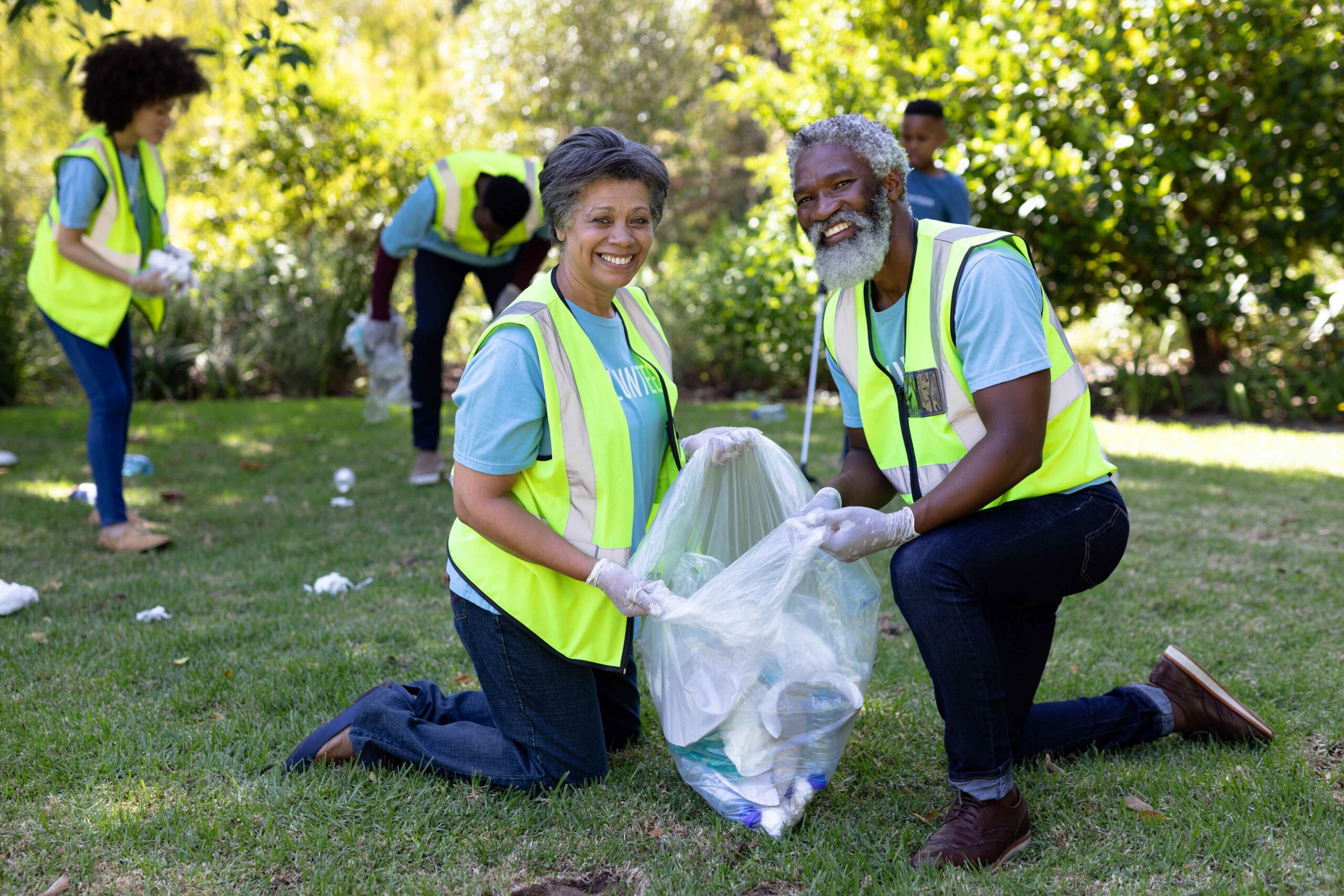
Many retirees find that after years of sightseeing vacations, the trips they remember most are the ones where they contributed something, met people on a deeper level, and came home feeling useful as well as rested. Volunteer vacations and purpose-driven travel offer exactly that combination, and retirees are especially well suited to them thanks to flexible schedules, life experience, and professional skills that organizations around the world genuinely need.
Why Purposeful Travel Fits Retirement So Well
Retirement removes many of the barriers that keep working people from volunteer travel, including limited vacation days and rigid schedules. It also adds something many organizations value highly: decades of experience. Retired teachers, nurses, engineers, accountants, tradespeople, and managers bring skills that can make a real difference to a school, conservation project, or community organization. Purposeful travel can also fill a gap many retirees feel after leaving work, providing structure, a sense of contribution, and new friendships with people who share similar values. Trips built around service often lead to more authentic cultural exchange than typical tours, because you spend time working alongside local residents rather than observing from a tour bus. For couples and solo travelers alike, a volunteer trip can turn travel into a meaningful chapter of retirement rather than simply a break from routine.
Exploring the Main Types of Volunteer Travel
Volunteer travel comes in many forms, and finding the right one starts with knowing the options. Conservation and environmental projects might involve trail maintenance, wildlife monitoring, habitat restoration, or citizen science research, often in beautiful natural settings. Community-based projects can include helping with construction, gardening, or food programs in partnership with local organizations. Educational programs may involve tutoring, English conversation practice, or supporting teachers in classrooms. Skill-based volunteering matches professionals with organizations that need specific expertise, such as business planning, health care support, or technical advice. There are also domestic options that require no passport at all, including working as a volunteer at a national park, wildlife refuge, or historic site. Each type offers a different pace, physical demand, and level of commitment, so consider what kind of contribution would feel most rewarding and realistic for you before committing to a program.
Educational and Service Trips Designed for Older Travelers
Several organizations design trips with older adults in mind, combining learning, service, and comfortable logistics. Road Scholar, a nonprofit focused on educational travel for adults, offers service learning programs that combine volunteer work with lectures, field trips, and cultural experiences, and its programs clearly describe activity levels so you can choose trips that match your stamina. Earthwatch runs research expeditions where volunteers help scientists collect data on wildlife, ecosystems, and climate, with many expeditions open to adults of all ages and accommodations ranging from rustic to comfortable. Trips like these typically handle lodging, meals, and local transportation, which removes much of the stress of planning and lets you focus on the experience. Before booking, ask about the daily schedule, physical requirements, accommodation style, group size, and what portion of your fee supports the project itself. A well-run program should be transparent about all of these details.
Volunteering in America’s Public Lands
For retirees who love the outdoors, volunteering in national parks and other public lands is one of the most rewarding and affordable ways to travel with purpose. The National Park Service runs a Volunteers-In-Parks program with opportunities that range from greeting visitors and staffing information desks to assisting with trail work, historical interpretation, and special events. Other federal agencies, including those that manage national forests and wildlife refuges, also rely heavily on volunteers. One especially popular option among retirees who travel by RV is serving as a campground host, where volunteers typically help manage a campground in exchange for a free campsite, often with utility hookups, during a season of service. These roles let you spend extended time in spectacular places while making new friends among staff and fellow volunteers. Opportunities are commonly listed on Volunteer.gov, and many positions fill early, so it pays to start searching several months ahead of the season you want.
Long-Term and Skill-Based Commitments
Some retirees want a deeper, longer commitment that uses their professional background. The Peace Corps has no upper age limit, and older volunteers bring valuable life and work experience to assignments that usually last about two years, along with shorter-term Peace Corps Response roles for experienced professionals. Other organizations match retired executives, financial professionals, and educators with nonprofits and small businesses abroad or in underserved U.S. communities for assignments ranging from a few weeks to several months. Health care professionals may find opportunities with medical service organizations, though licensing and credential requirements vary by country and should be confirmed in advance. Longer commitments require careful planning around housing, health coverage, medications, and family responsibilities, but they can also be the most transformative experiences. Talk with returned volunteers whenever possible, since their firsthand perspective is the best way to understand what daily life on assignment is really like.
How to Choose a Responsible Program
Not every volunteer travel program is created equal, and choosing carefully protects both you and the communities you want to help. Look for organizations that work in long-term partnership with local groups and that can explain clearly how projects are chosen and who benefits from them. Be cautious of programs involving short-term work in orphanages, which many child welfare experts discourage because frequent turnover of volunteers can harm children. Ask how your fees are spent, whether local workers are employed on the project, and how the organization measures results. Read reviews from past volunteers and look for programs that provide orientation, local support staff, and clear safety and emergency procedures. A trustworthy organization will welcome your questions and answer them openly. The goal is to choose a program where your time and money support work that the community itself wants and will continue after you leave.
Planning the Practical Details
Purposeful travel still requires the same careful preparation as any other trip, plus a few extra considerations. Check whether your health coverage applies at your destination, especially if you have Original Medicare, which generally does not cover care outside the United States, and consider travel medical insurance that includes emergency evacuation for remote locations. Be realistic about the physical demands of the work, the climate, and the accommodations, and ask the organization about medical facilities near the project site. Some volunteer trip costs may be tax deductible when you volunteer through a qualified charitable organization and the travel is primarily for service, but the rules are specific, so talk with a tax professional before assuming any deduction. Budget for program fees, airfare, travel insurance, vaccinations, and personal spending. Finally, give yourself time to rest before and after your trip, since service travel can be emotionally and physically demanding in the best possible way.
Turning One Trip Into a Lasting Source of Meaning
Many retirees discover that their first volunteer trip becomes the beginning of something larger. Some return to the same project year after year, building lasting friendships with local partners and seeing the results of their work grow over time. Others use the skills and connections they gain abroad to volunteer in their own communities between trips. Keeping a journal, sharing photos with friends and family, and staying in touch with fellow volunteers can extend the experience long after you return home. If you are unsure where to start, try a short domestic program or a week-long service learning trip to see how the experience feels before committing to something longer. Travel with purpose offers a way to keep exploring the world while contributing to it, and for many retirees, that combination becomes one of the most fulfilling parts of this stage of life.
