
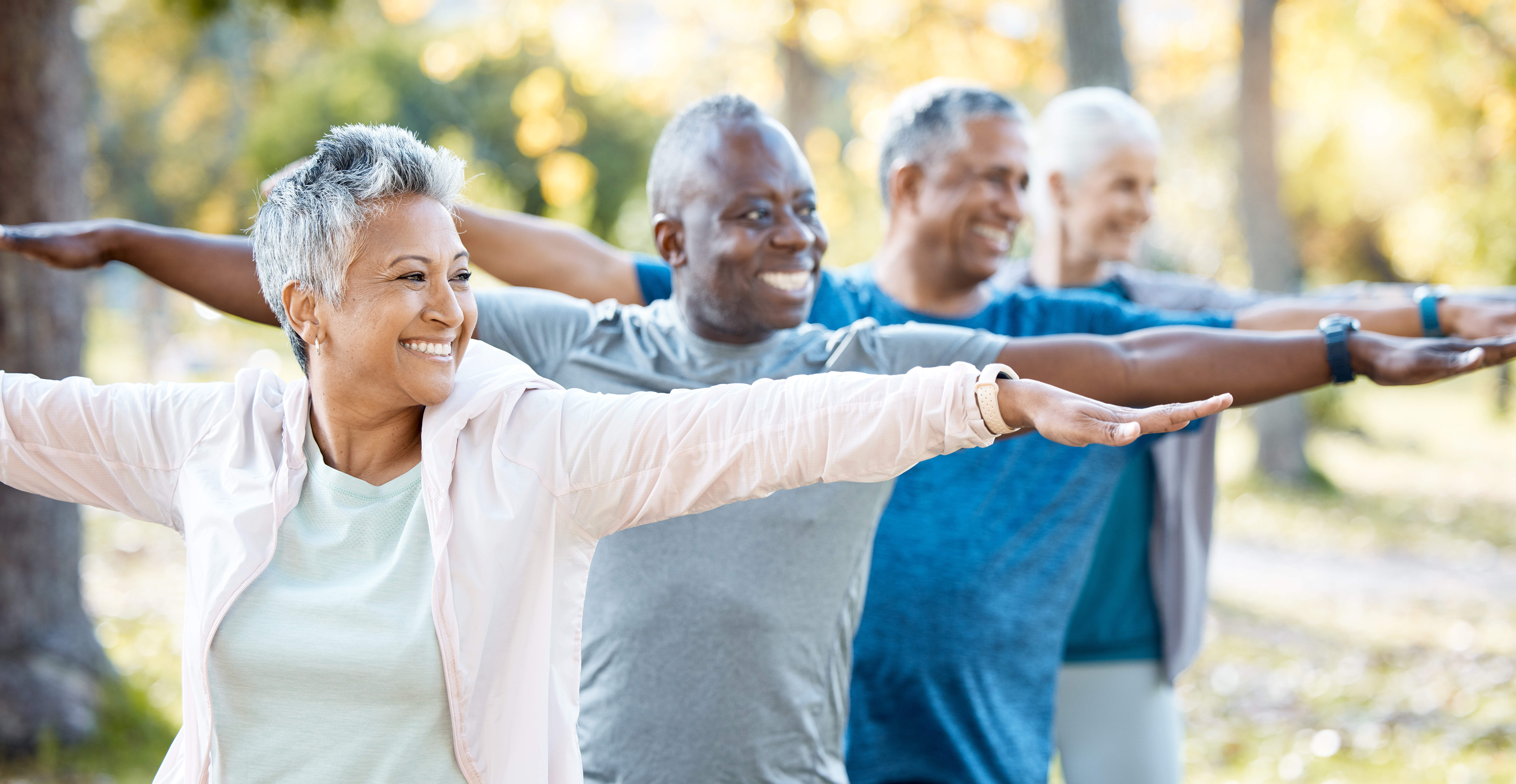
Staying independent as you get older is not just about strength or mobility. It is about balance, awareness, and confidence in how you move through your day. Falls are one of the most common risks after age 60, but they are also one of the most preventable when you build the right habits into your routine.
The key is not complicated workouts or major lifestyle overhauls. It is small, consistent actions that improve stability, strengthen key muscles, and reduce everyday risks inside and outside the home.
Why balance declines and what actually changes
Balance is not controlled by a single part of the body. It depends on coordination between your muscles, joints, vision, and inner ear. As you age, these systems can become less responsive, which makes it harder to recover quickly from a stumble or uneven step.
Muscle strength, particularly in the legs and core, often decreases over time. Reaction speed slows slightly, and vision changes can make it harder to judge distances or notice obstacles. These changes are gradual, which is why they can go unnoticed until a fall or near-miss occurs.
The encouraging part is that balance can be improved at any age. With the right daily practices, you can strengthen the systems that support stability and reduce your overall risk.
Building strength where it matters most
Strong legs and a stable core are the foundation of good balance. These muscle groups help you stay upright, recover from slips, and move confidently in different environments.
Simple movements done consistently can make a noticeable difference. Sitting and standing from a chair without using your hands helps build leg strength. Holding a standing position on one foot, even for a few seconds at a time, improves stability and coordination.
Walking regularly is another powerful tool. It reinforces natural movement patterns and helps maintain joint flexibility. Even short daily walks can contribute to better balance over time.
The goal is not intensity. It is consistency. Small efforts repeated daily tend to produce better results than occasional, more demanding workouts.
Daily balance exercises that fit into your routine
Balance training does not require a gym or special equipment. It can be integrated into your existing routine in simple ways that feel natural rather than forced.
For example, you can practice standing on one foot while brushing your teeth or waiting for the kettle to boil. Heel-to-toe walking, where you place one foot directly in front of the other, can be done in a hallway or open space. These exercises challenge your balance in a controlled way and help your body adapt.
Another useful practice is shifting your weight from side to side while standing. This improves your ability to control movement and maintain stability when changing direction.
Here is a simple set of movements that can be rotated throughout the week:
- Standing on one foot for 10 to 20 seconds per side
- Heel-to-toe walking for a few steps at a time
- Chair sit-to-stand repetitions without using hands
- Gentle side-to-side weight shifts while standing
These exercises are effective because they mimic real-life movements rather than isolating specific muscles.
Making your home safer without major changes
Many falls happen at home, often in familiar spaces where you might not expect risk. The good news is that small adjustments can significantly reduce hazards.
Start by looking at areas where slips or trips are more likely. Loose rugs, cluttered walkways, and poor lighting are common issues. Securing rugs, clearing pathways, and improving lighting can make a noticeable difference.
Bathrooms are another key area. Adding non-slip mats and ensuring there is something stable to hold onto when needed can improve safety. Even simple changes like keeping frequently used items within easy reach can reduce unnecessary stretching or bending.
The goal is not to make your home feel restrictive. It is to remove obstacles that increase the chance of losing balance.
Footwear and how it affects stability
What you wear on your feet plays a bigger role in balance than many people realize. Shoes that lack support, have slippery soles, or do not fit properly can increase the risk of falls.
Supportive footwear with non-slip soles helps maintain traction and stability. Shoes that fit well and provide good arch support can also improve how your body distributes weight, which affects balance.
Walking barefoot or in socks on smooth surfaces can be risky, especially if floors are slippery. Choosing the right footwear for both indoor and outdoor use is a simple but effective way to reduce fall risk.
Vision, awareness, and reaction time
Balance is not just physical. It also depends on how well you can see and respond to your surroundings. Changes in vision can make it harder to detect obstacles, uneven surfaces, or changes in elevation.
Regular eye exams are an important part of fall prevention. Updated prescriptions and proper lighting can improve visibility and reduce the likelihood of missteps.
Awareness also plays a role. Taking a moment to scan your environment, especially in unfamiliar areas, helps you anticipate potential hazards. This might mean noticing a wet floor, an uneven sidewalk, or a step that is not clearly marked.
Reaction time can be improved through practice. Activities that involve coordination, such as light balance exercises or even certain types of games, help keep your responses sharp.
Building confidence through repetition
Fear of falling can sometimes be as limiting as the risk itself. After a near fall or injury, it is common to become more cautious, which can lead to reduced activity. Over time, this can weaken muscles and actually increase fall risk.
Building confidence comes from repetition and positive experiences. When you practice balance exercises regularly and move safely through your environment, your confidence grows naturally.
Starting with simple, controlled movements and gradually increasing difficulty can help you feel more secure. The goal is to create a cycle where improved ability leads to greater confidence, which in turn supports continued activity.
Habits that quietly reduce fall risk
Fall prevention is not just about exercises. It is also about daily habits that support stability and awareness. Small adjustments in how you move and organize your day can make a meaningful difference.
Staying hydrated and maintaining good nutrition supports muscle function and energy levels. Fatigue and dehydration can affect coordination and increase the likelihood of missteps.
Taking your time when changing positions, such as standing up from a seated position, helps prevent dizziness and loss of balance. Rushing is a common factor in many falls.
Here are a few habits that tend to improve overall stability:
- Move slowly when transitioning from sitting to standing
- Keep frequently used items within easy reach
- Stay consistent with light daily movement
- Pay attention to how your body feels during activity
These habits may seem simple, but they create a foundation for safer movement throughout the day.
When to consider additional support
While many balance improvements can be made independently, there are times when additional support is helpful. If you have experienced a fall, feel unsteady frequently, or notice significant changes in balance, it may be worth seeking professional guidance.
Physical therapists can provide targeted exercises and assessments tailored to your needs. They can identify specific areas of weakness or imbalance and create a plan to address them.
Assistive devices, such as canes or walkers, can also provide added stability when needed. Using these tools is not a sign of weakness. It is a way to maintain independence and reduce risk.
Protecting independence through daily action
Balance and fall prevention are not about avoiding activity. They are about staying active in a way that supports safety and confidence. By building strength, improving awareness, and making small adjustments to your environment, you can reduce fall risk and maintain your independence.
The most effective approach is consistent and practical. Simple daily practices, repeated over time, create lasting improvements that help you move with confidence and stability.
